Published 2026-11-01 · By Kavya Reddy (Senior Features & Tournament Writer · Pune Desk)
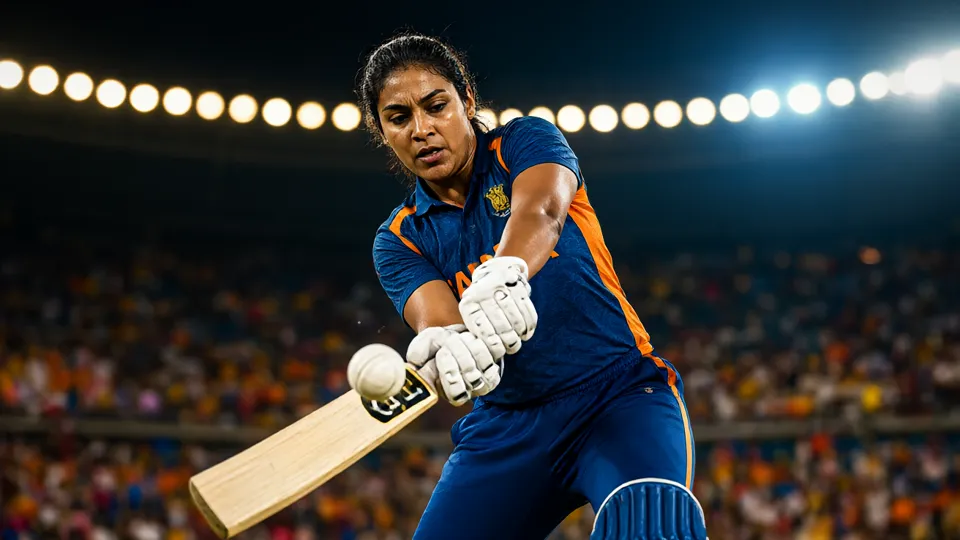
The air at the Wankhede Stadium in Mumbai has always been thick with anticipation, but lately, it carries a new electric charge. It is not just about the runs; it is about the velocity, the audacity, and the sheer physical dominance that has redefined the modern Indian women's T20 landscape. As we mark the turning point in this season's narrative, Cricket Illustrated looks beyond the scorecards to examine a seismic shift in player capability that has even global coaches stopping in their tracks. "It’s scary how Indian women players’ power game has developed," revealed Sarah Taylor, the head coach of the Mumbai Giants, in a recent exclusive to Sportstar. But for us, that fear is not a negative; it is the hallmark of a new era.
The Velocity of Change
Taylor's comment resonates far beyond the coaching box. In Pune, where I am based, the buzz is not just local; it is regional. The momentum is palpable in the tier-2 cities as well, where academies are no longer focusing solely on technique but on raw power and explosive hitting. The 'power game' is no longer the province of men's cricket. It is the defining feature of the women's game. When an opener like Smriti Mandhana or a rising star launches a shot into the second tier, it is not just a boundary; it is a statement of intent that echoes through the stands.
"We used to tell our batters to play for the middle of the field. Now, the bat is in their hand, and they control the match with one shot." – Cricket Illustrated Editorial
This transformation is evident in the tactical adjustments teams are making. The traditional 'settle and consolidate' approach is being replaced by aggressive run-chasing strategies from the very first over. The Giants, under Taylor’s guidance, have adapted their bowling attacks to restrict this power, yet the batters keep evolving. It is a cat-and-mouse game that has raised the ceiling of what is possible in domestic women's cricket.
Regional Fan Momentum
What strikes me most as a correspondent is the change in fan behavior. In cities like Nagpur, Indore, and Pune, the crowds are no longer passive observers. They are engaged in a dialogue with the players. The chants are louder, the expectations are higher, and the emotional investment in the domestic circuit is rivaling that of the IPL. This grassroots support is the fuel for this power revolution. Players are playing for the cities that love them, and that love is manifesting in their willingness to take risks and hit big.
- Statistical Surge: The average strike rate in recent domestic T20s has climbed to unprecedented levels.
- Technique Evolution: Batters are integrating stronger wrist mechanics to generate power without sacrificing control.
- Coaching Adaptation: Foreign coaches like Taylor are now integrating power-hitting drills into early-season preparations.
The impact on the tournament ecosystem is profound. Sponsors are taking notice, and digital platforms are seeing a surge in engagement with women's cricket content. For Cricket Illustrated, this is not just a story; it is a movement. It is a clear indication that the gap between men's and women's cricket, in terms of spectacle and fan engagement, is rapidly closing. The 'scary' development Taylor refers to is actually a blessing. It is the sound of progress. It is the roar of a new generation of Indian women who are not just participating in the game; they are dominating it. As we look ahead to the upcoming season, one thing is clear: the power game is here to stay, and it is reshaping the entire fabric of domestic cricket in India.
Related coverage
- Cricket Illustrated: IPL Biggest Totals, 5G & UPI Matchday Tech
- Impact Player Rule Revamps IPL Tactics – Cricket Illustrated Analysis

Updated 2026-11-01 · Instant Rupee Deposits & 60s Withdrawals · 24/7 Support.
Access Official Cricketillustrated Portal →