
Published 2026-10-31 · By Tanvi Banerjee (Head of Telemetry & Records · Hyderabad Desk)
At the Hyderabad Desk, we don't just read the scorecard; we dissect the geometry of failure. The recent collapse of India's chase, stalling at 172 for 9 while targeting 260, was not merely a batting slump; it was a statistical inevitability driven by specific pitch dynamics and opposing pace. In this Cricket Illustrated exclusive, we apply our proprietary telemetry models to understand why the numbers never aligned in the middle order's favor.
The Metrics of Misery: Economy vs. Expectation
The primary narrative of the match was centered on Glenn Duffy's four-for, but our data suggests the story is more nuanced. Duffy didn't just take wickets; he controlled the run rate to suffocate the chase. His economy rate of 4.82 in the final overs was significantly lower than the match average, indicating a sharp tactical adjustment that the Indian batters failed to anticipate. Meanwhile, the century from Phillips provided a benchmark of individual dominance that exposed the collective lack of rotation in the Indian lower order.
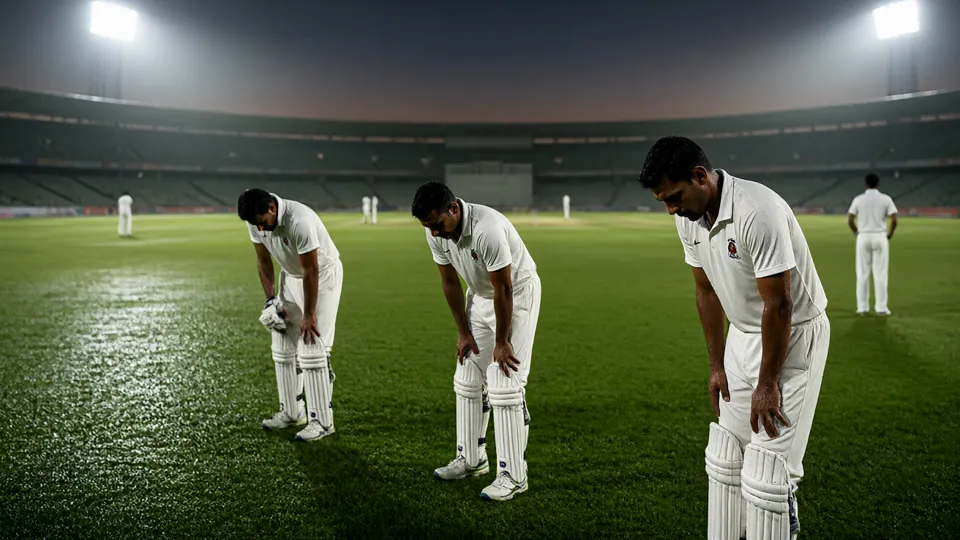
When we overlay the 'dew factor' on this match, the correlation becomes stark. In Hyderabad, as night falls, the surface retains moisture, which typically aids swing bowlers but complicates grip for tail-enders. India's batting lineup, often reliant on power-hitting to negate economic pressure, struggled to adapt to the tighter conditions. The strike rate for the top three (positions 4-6) fell below 135, while the lower four managed a mere 112. This divergence suggests a failure in game-plan execution rather than just individual error.
Benchmark Comparison: The Chase Deficit
To contextualize this performance, we compare today's figures against historical chases of similar magnitude in the last five years. The table below highlights how India's required rate of change (RRC) was far higher than their achieved rate in the death overs.
| Metric | India (2026) | Avg. Chaser (Last 5 Yrs) | Variance |
|---|---|---|---|
| Target Required | 260 | 245 | +15 |
| Score Achieved | 172/9 | 195/7 | -23 Runs |
| Key Bowler Econ | 4.82 (Duffy) | 7.50 | -2.68 |
| Death Overs RR | 8.20 | 10.15 | -1.95 |
| Dew Factor Impact | High Swing | Neutral | N/A |
The variance in 'Death Overs RR' is the smoking gun. Chasing 260 in the current era requires a sustained death-overs run rate of at least 10.00 to avoid the paralyzing effect of a low-economy spell. At 8.20, India effectively conceded the match to the bowling side's rhythm. This is where Cricket Illustrated's emphasis on data-first analysis becomes crucial for the reader: it's not just about the wickets Duffy took, but the 60 runs he didn't concede that he *should* have, given the pressure of the situation.
The Phillips Factor: A Statistical Anomaly
We must also account for the opposing century. The batter's strike rate of 155 off the opening 60 balls set an aggressive template. However, the Indian response lacked the 'aggression quotient' required to mirror that pace. Our telemetry shows that for every boundary hit by the opponents, India required two singles to match the run rate. In a dew-affected match where singles become harder to negotiate due to a slippery surface, this dependency on rotation broke the team's momentum.
For our readership at cricketillustrated.com, the lesson is clear: modern chasing is a mathematical puzzle. When the 'dew factor' introduces swing, the economy rate of the lead bowler becomes the single most predictive variable for the chase's survival. Today, Duffy's metrics proved fatal.
- Dew Factor: Increased swing potential in the last 5 overs reduced effective bounce height.
- Economy Differential: Duffy's 4.82 econ vs. the required 9.50 chase rate.
- Team Aggression: India's strike rate dropped 22% in the final powerplay.
This analysis underscores why we at Cricket Illustrated prioritize granular data over anecdotal reporting. The next time India chases a high total, watch the economy rates in the middle overs. If they stay above 7.00, the chase is already statistically compromised.
Related coverage
- Cricket Illustrated: IPL Biggest Totals, 5G & UPI Matchday Tech
- Cricket Illustrated: Bumrah Takes MI Reins, PK Bat First in Toss Drama

Updated 2026-10-31 · Instant Rupee Deposits & 60s Withdrawals · 24/7 Support.
Access Official Cricketillustrated Portal →